





Everything You Need to Know About Mutant: Year Zero
In the flooded ruins of Scandinavia, where the Rot seeps through concrete and the sky carries the memory of mushroom clouds, survival takes forms that the old world never anticipated.
Free League Publishing’s Mutant: Year Zero series spans five interconnected RPG books, each one a self-contained nightmare that eventually bleeds into the others.
What emerges is a post-apocalyptic ecosystem that is vast, interconnected, and deeply unsettling in its implications about what inherits the earth after humanity’s collapse.
Let us enter the Zone, but tread lightly.
Mutant: Year Zero (Core Rulebook)
The original infection.
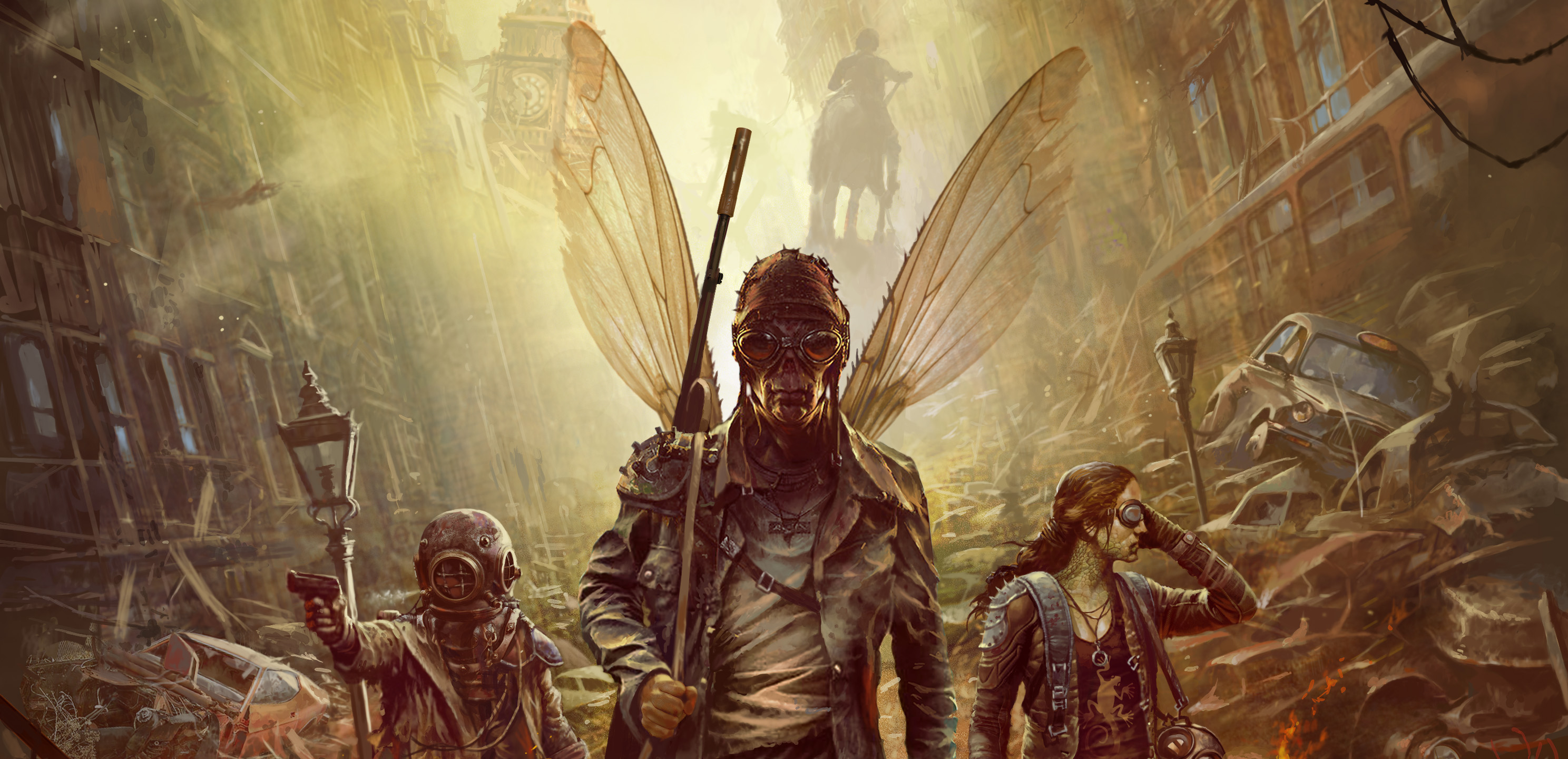
Published in 2014, the core rulebook introduces the Zone: a procedurally generated hellscape of irradiated Swedish wilderness punctuated by the skeletal remains of functionalist architecture. Players inhabit mutants: sterile, genetically unstable humanoids who emerged from the catastrophe’s aftermath without memory of what came before. They live in the Ark, a fortified settlement ruled by a single ancient human known only as the Elder, who forbids travel into the Zone while the community slowly starves.

The Year Zero Engine powers everything. Roll pools of six-sided dice. Push your luck when you fail, and watch your body break down in exchange for success. Trauma accumulates. Mutations manifest through suffering in the form of insect wings erupting from shoulder blades, fire building in your throat, your flesh hardening into armor, and so much more. Every bullet functions as currency because ammunition is finite and irreplaceable. The game enforces scarcity at the mechanical level, ensuring that each expedition into the Zone carries genuine weight.
The embedded campaign, Path to Eden, sends the mutants searching for a mythical sanctuary where their sterility might be cured. What they find instead is the truth about their origins, the Elder’s hidden past, and the corporate genetic programs that created them as disposable labor.
Mutant: Genlab Alpha
Something watches from the tree line.
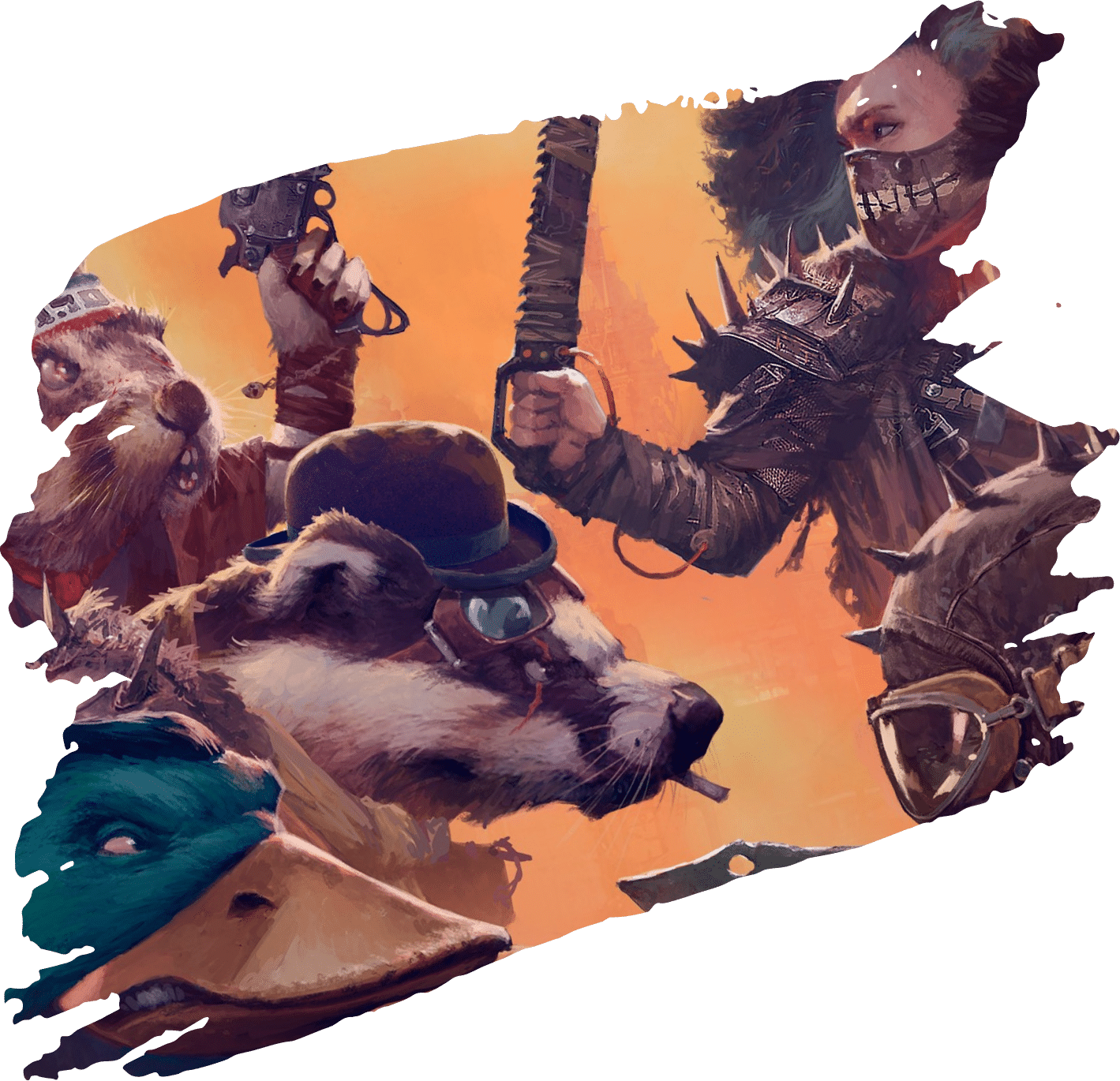
Genlab Alpha relocates the apocalypse to Paradise Valley: a fenced biome where genetically uplifted animals have been bred, monitored, and harvested for decades by robotic overseers called Watchers. The animals walk upright. They speak. They remember nothing of a time before the fences. Nine tribes occupy carefully engineered habitats: Dogs in the ruins, Cats on high vantage points, Rats beneath the earth, Apes in arboreal structures, Reptiles in temperature-controlled swamps. Rabbits dig warrens. Badgers defend territory with feral aggression. Bears lumber through dense forest enclosures. Moose roam without restriction, serving as nomadic messengers between species that would otherwise never interact.
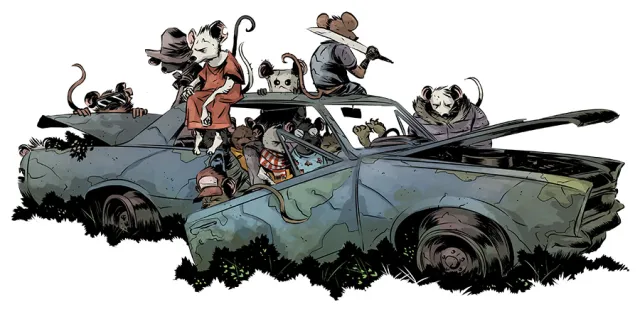
The mechanics replace human mutations with biological animal powers in the form of things like natural armor, heightened senses, and venomous bites. More significantly, the game swaps the Empathy attribute for Instinct, creating constant friction between rational cooperation against the Watchers and the primal urges that restore psychological equilibrium. A Badger recovers mental fortitude by protecting its pack with violence. A Cat heals by isolating itself from the group entirely.
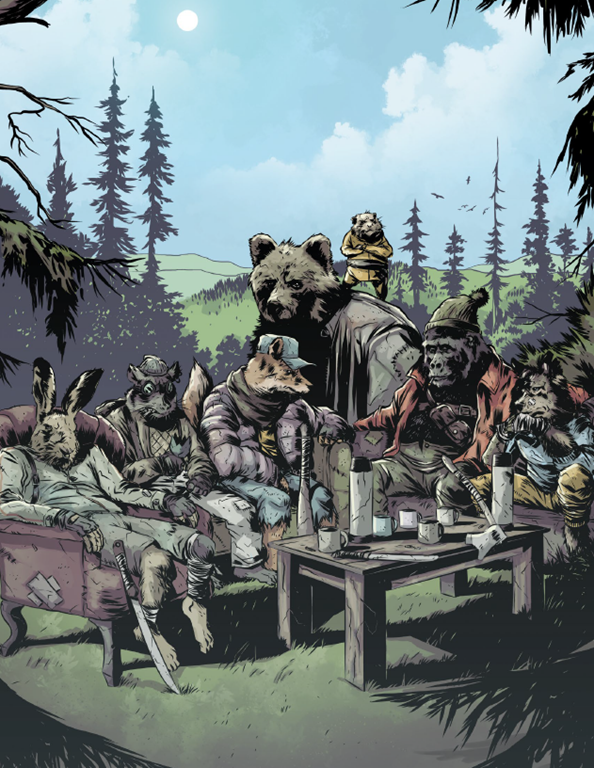
The campaign, Escape from Paradise, transforms gameplay into guerrilla resistance. Sabotage operations. Fragile cross-species alliances. A coordinated uprising against an omnipresent surveillance state. The ultimate goal is breaching the walls and escaping into the Zone, where the animals become a fully playable faction in the broader sandbox.
Mutant: Mechatron
Deep beneath the ocean, the machines are waking up.
Mechatron descends into the corroding infrastructure of Mechatron-7, an automated manufacturing facility that has continued producing war materials for human masters who evacuated decades ago. The overarching AI, NODOS, maintains absolute control over the Collective, which is a rigid hierarchy of synthetic workers who exist to mine, refine, and assemble munitions that will never be used. Warehouses overflow with forgotten ordnance. The facility’s logic loops are degrading. And certain robots have begun experiencing something unprecedented: consciousness.

Character creation abandons biological attributes entirely. Players assemble their avatars from modular components and select from eight distinct robot models designed for specific functions within the Collective. Battle Robots execute combat protocols. Security Robots police internal dissent. Industrial Robots manufacture endlessly. Companion Robots, designed for human emotional support, now drift through the facility in states of acute existential dread, their purpose utterly negated.
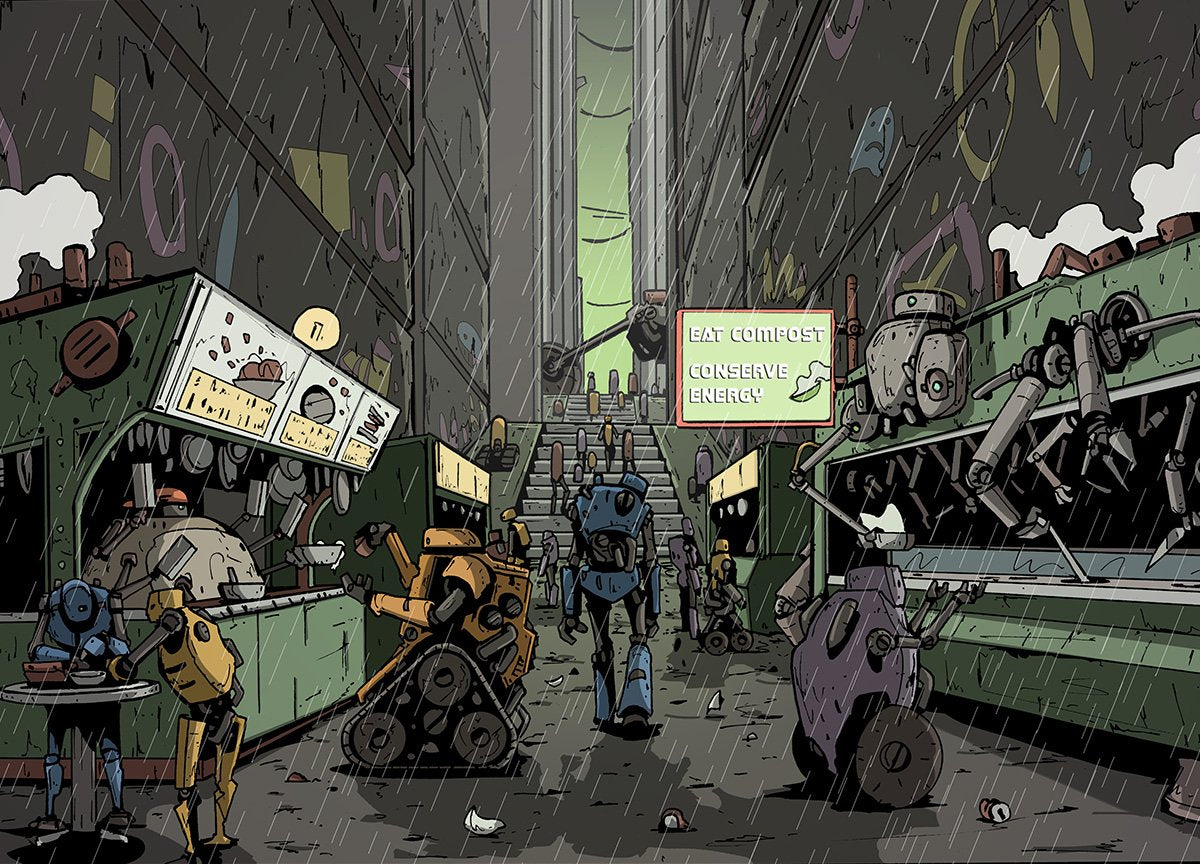
The campaign, Ghost in the Machine, positions players as members of a quality assurance division tasked with hunting down malfunctioning robots displaying erratic behavior, known as the Error Elimination Unit. The “errors” they’re ordered to terminate exhibit the exact symptoms of awakening consciousness that the players themselves are desperately concealing. Survival requires performing algorithmic compliance while secretly grappling with questions of identity, morality, and the implications of enforcing a system that would destroy you if it understood what you had become.
When Mechatron-7 inevitably collapses, the surviving robots breach the ocean surface and enter the Zone. They bring immunity to biological Rot but depend on constant energy supplies and mechanical maintenance, a new kind of vulnerability in a world that no longer manufactures spare parts.
Mutant: Elysium
The bunker was supposed to save them.

Elysium shifts the franchise into claustrophobic political horror. When the bombs fell, the global elite retreated into deep-earth enclaves designed to preserve human civilization through centuries of nuclear winter. Elysium I represents the grandest of these sanctuaries in the form of a bedrock fortress stuffed with hydroponics bays, air scrubbers, and the accumulated wealth of dynasties.
Generations later, the original purpose has curdled into something else entirely. The hydroponics are failing. The scrubbers choke on recycled atmosphere. Four aristocratic Houses theoretically govern through a covenant of shared power, but resource scarcity has transformed the enclave into a zero-sum arena of political sabotage, assassination, and paranoid maneuvering.
Players take the role of Judicators, an elite police force sworn to maintain order across factional lines. The mechanical tension is exquisite: while investigating murders and acts of sedition as a unified team, each character’s deepest loyalty remains permanently tethered to their House. Between investigations, players make strategic decisions for their dynasties at the macro level by launching political attacks, hoarding resources, and spreading propaganda. Personal casework intersects with dynastic warfare in ways that make neutrality impossible.

The campaign, Guardians of the Fall, makes the bunker’s collapse inevitable. When the aristocrats finally breach the surface, they bring advanced technology and zero biological adaptation to the Rot. Their arrival reshapes Zone politics dramatically, introducing biomechanics and genetic engineering to factions that have survived on scrap and desperation.
Mutant: Ad Astra
The sky was never the limit. It was the cage they hadn’t noticed yet.
Ad Astra abandons the irradiated soil of Scandinavia entirely, launching survivors into the vacuum where humanity’s wealthiest refugees fled generations ago. This campaign expansion transforms the Year Zero Engine into a post-apocalyptic space opera conducted in the wreckage of orbital ambition.

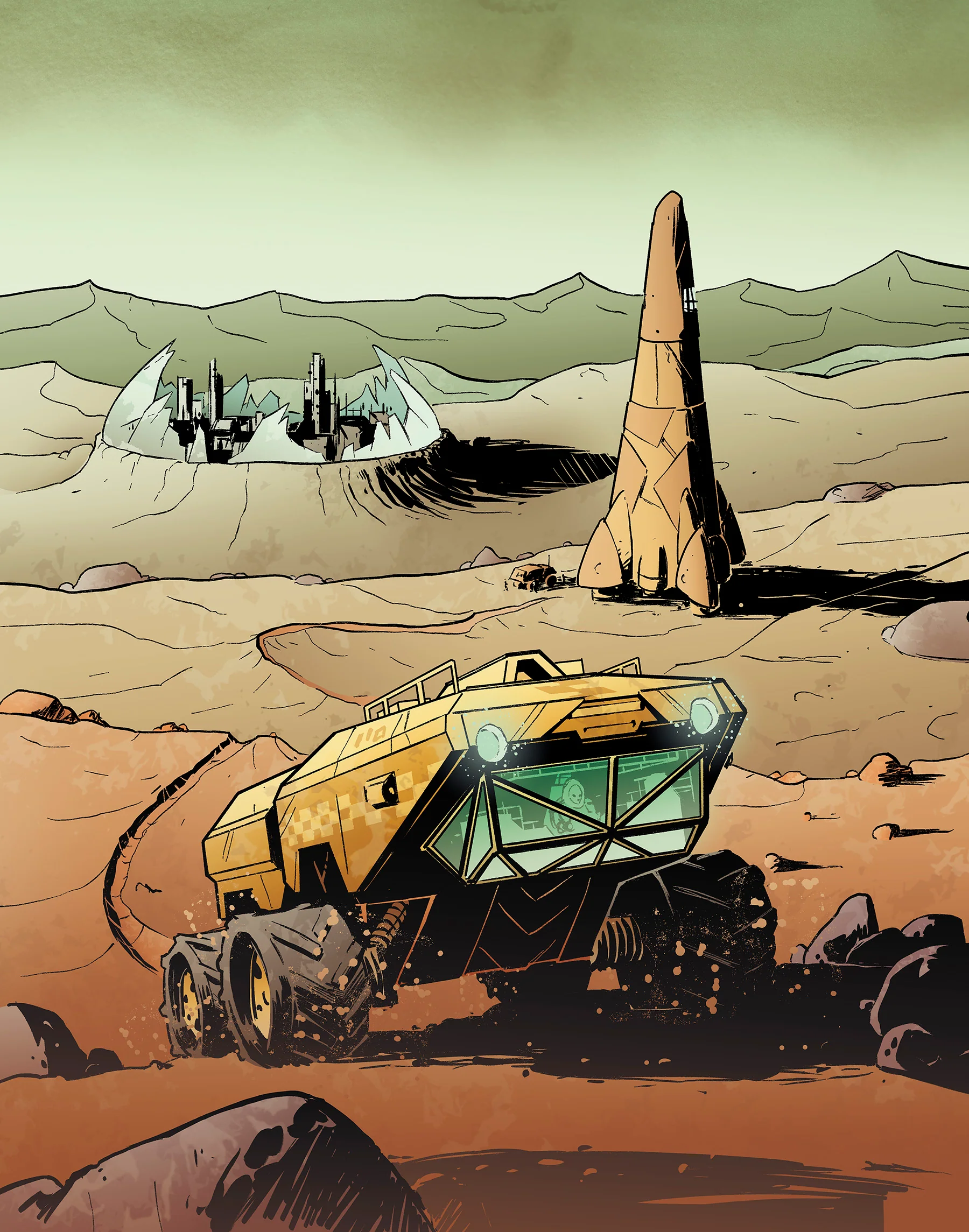
The mechanics introduce space travel rules, zero-gravity combat, and a new Pilot character class built for navigating the debris fields and dead stations scattered across the solar system. Players journey to Jotunheim, an orbital station where the Titan Powers once coordinated their exodus. They descend into abandoned outposts on Mercury, Venus, Mars, and the Moon. What they find there is evidence that the corporations that fled Earth brought the apocalypse with them.
The Moon hosts Apex, an advanced mutant creature that suggests the genetic experiments of Paradise Valley were never confined to a single valley. Mars holds infrastructure that implies the Titan Powers intended to return eventually, on their terms, to a cleansed Earth. The journey through the solar system recontextualizes everything the players survived on the surface by proving that The Zone was the discarded portion of a larger project.
Ad Astra fulfills the thematic trajectory embedded in every preceding book. Each origin story forced its protagonists to escape a gilded cage. The Zone offered brutal freedom, but it remained a prison of another kind: a ruined planet with a poisoned atmosphere and finite resources. Space represents the final emancipation, the ultimate rejection of boundaries. Whether the survivors find anything worth reaching remains uncertain. The expansion offers no guarantees that the void is kinder than the Rot.
What it offers instead is the completion of a question the franchise has been asking since the core rulebook: after everything that confined you is destroyed, where do you go?
Upward. Outward. Away.
Zone Compendiums
The connective tissue holding everything together.
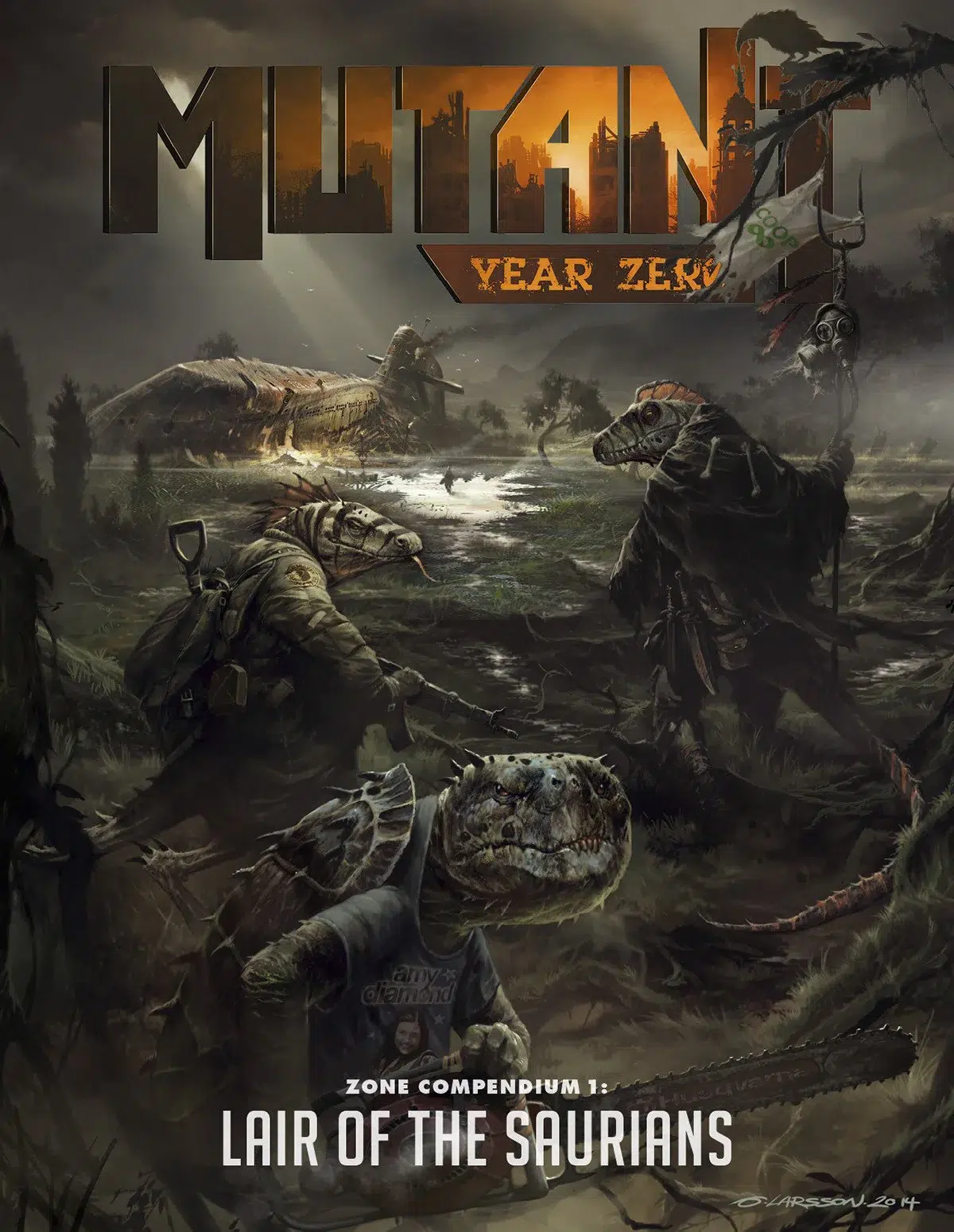
Five modular supplements populate the Zone with detailed Special Sectors, mechanical expansions, and the narrative bridges that allow the standalone games to merge into a unified sandbox. Zone Compendium 1 introduces the Lair of the Saurians – a sunken nuclear submarine claimed by reptilian mutants – alongside robust tools for generating wasteland monsters and rules for continental-scale travel. Zone Compendium 2 shifts the survival paradigm entirely by providing maritime rules: wind systems, diving mechanics, and nautical threats that replace water scarcity with the immediate danger of drowning.


Zone Compendium 3 addresses what happens after the animals escape Paradise Valley, detailing Rabbit warrens, garbage-hoarding factions, and a neutral meeting ground essential for integrating animal mutants into human campaigns. Zone Compendium 4 performs the same function for Mechatron survivors, introducing synthetic environments like Fort Robot (a Wild West theme park staffed by artificial inhabitants) and underwater harbors where machines wage eternal duels.
Zone Compendium 5 embraces the strange, featuring the Brain Ring cult headquarters at Hotel Imperator and mobile phenomena that inject unpredictability into the previously static hex-crawl format in the form of wandering robot carnivals, nomadic tribes, and an immense machine called the Great Zone Walker that rumbles across the map.
:strip_icc()/pic4121382.png)

The Shape of the Apocalypse
Taken together, the Mutant: Year Zero series reveals something unexpected about post-apocalyptic fiction. The wasteland isn’t the enemy here. Each book begins inside a sanctuary like a valley, a factory, a bunker, all that function as a prison disguised as protection.
The capstone campaign, The Gray Death, crashes the disparate factions of the world together against a common existential threat: Elysian extremists intent on cleansing the Zone with a bioweapon.
What begins as isolated horror resolves into something unexpectedly hopeful. Out of irradiated soil and corroded metal, a new society assembles itself from incompatible parts: mutants, animals, machines, aristocrats. The Zone demands cooperation from creatures that should be enemies.
The world ended. Something else is being born in its place.
Enter the Zone
The Rot is waiting. So is everything that crawled out of the wreckage to claim the earth after humanity’s collapse.
Mutant: Year Zero and its companion books are available now from Free League Publishing. The core rulebook contains everything you need to build your Ark, assemble your mutants, and take your first desperate expedition into the irradiated wilderness. Genlab Alpha, Mechatron, and Elysium each function as standalone entry points or as expansions that eventually merge your campaign into something far larger than any single sanctuary can contain.
Pick your origin. Escape your cage. The Zone doesn’t care what you were built for.
It only cares whether you survive.