



Most people already have an Atlantis in their head. Plato gave us a superpower drowned by the gods for its arrogance. DC Comics gave us a gleaming underwater kingdom with its own foreign policy. The History Channel gave us a lost progenitor civilization that supposedly taught humanity how to stack rocks. Tolkien gave us Númenor, a doomed island swallowed by the sea because its kings couldn’t accept that they were mortal.
While these are the versions that dominate the conversation. they’re also all missing the same thing: the king.
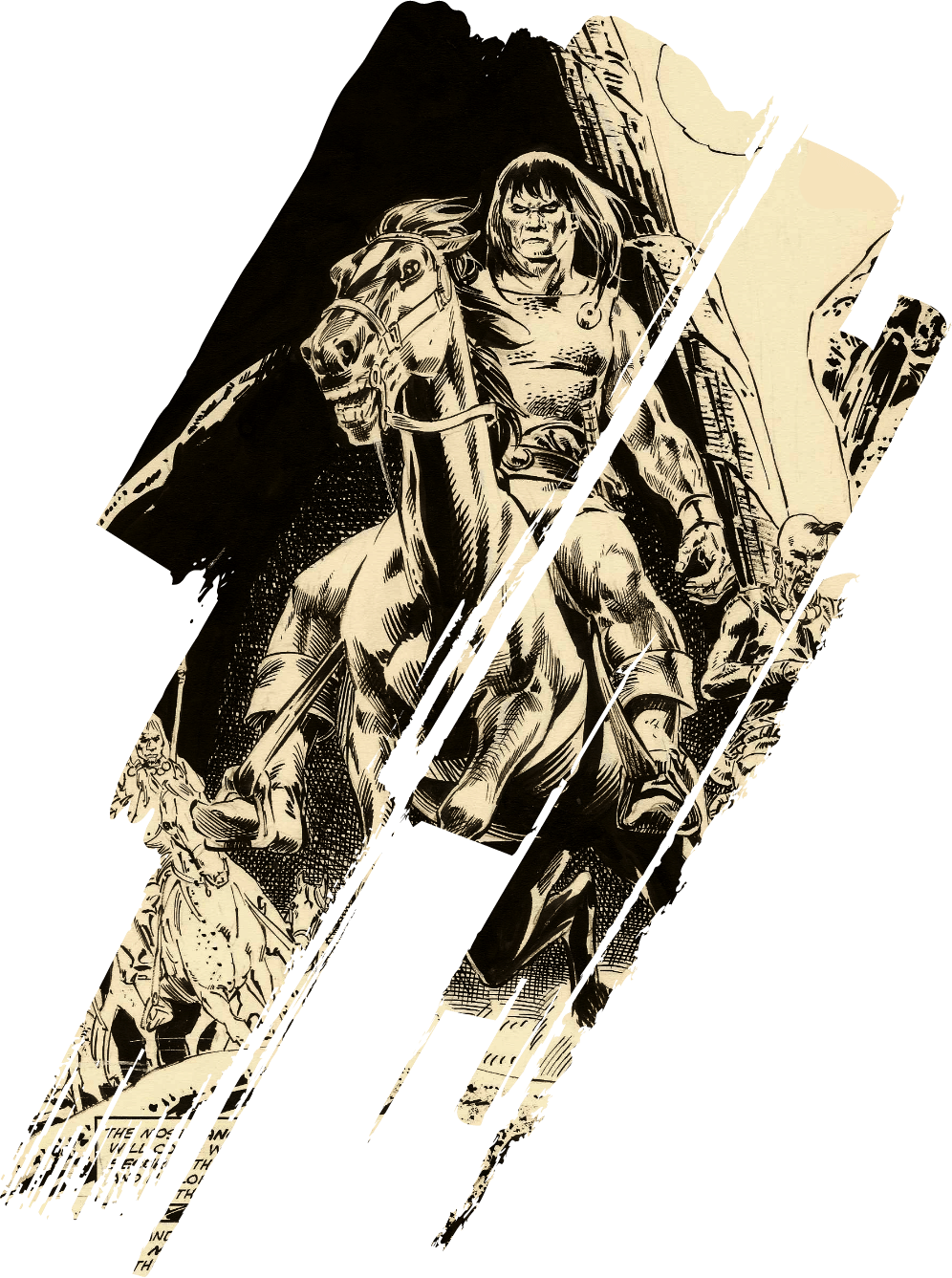
In 1929, a writer from Cross Plains, Texas named Robert E. Howard published a story called “The Shadow Kingdom” in the pulp magazine Weird Tales. The story introduced Kull of Atlantis, a barbarian exile who had fought his way from the bottom of the ancient world to its single most powerful throne.
Howard’s Atlantis looked nothing like the crystalline utopias or philosophical allegories that came after. It was a savage, primordial island-continent of warriors and hunters who clashed constantly with the neighboring Pictish islands.
And the character who emerged from it was the first fully realized literary king of the sunken world, appearing decades before silver age comics would create their own aquatic monarchs, and long before cinematic fantasy caught up.
The King of Atlantis Was A Barbarian on a Civilized Throne
If you came to Atlantis expecting philosopher-kings governing a gleaming civilization, Howard has different plans for you.
Kull’s road to the throne began with an act of conscience that cost him everything. As an adolescent in his native Atlantean tribe, he watched a mob drag a young woman to the stake. Her crime was marrying a Lemurian pirate, which violated his tribe’s xenophobic customs. Kull couldn’t overpower the mob. He also couldn’t stand there and watch her burn slowly. So he killed her quickly, in mercy, and his people exiled him for it.
Years of brutality followed him. He was captured by Lemurian pirates and chained to the oars of a galley. He eventually won his freedom during a mutiny and became a pirate himself until a naval battle off the coast of Valusia sank his ship and killed his entire crew. He washed ashore alone, lived as a feral outlaw in the wilderness, got captured, and was then thrown into a dungeon. The Valusians who captured him gave him two options: public execution or the gladiatorial arena.
He chose the arena. He was very good at it.
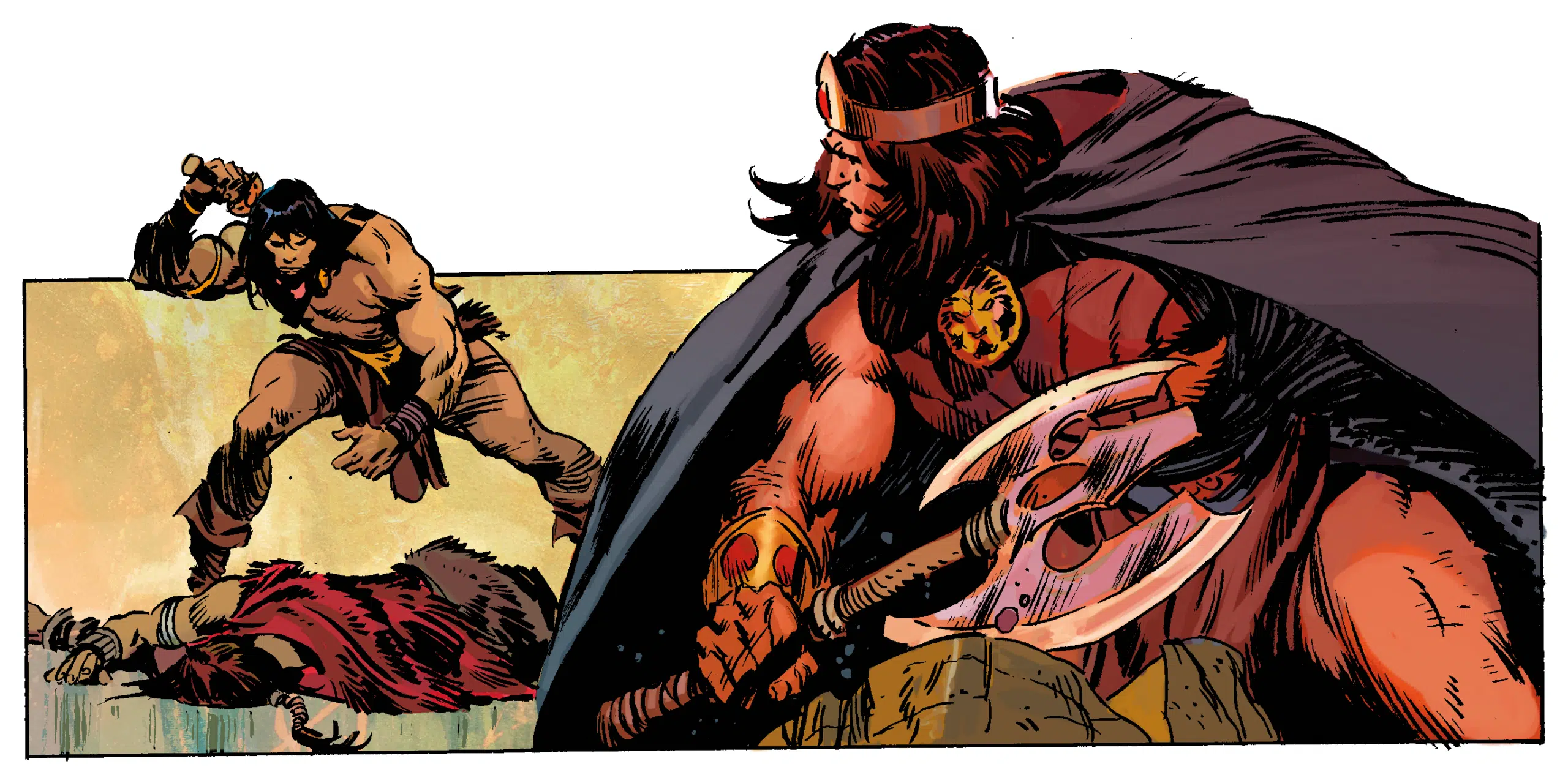
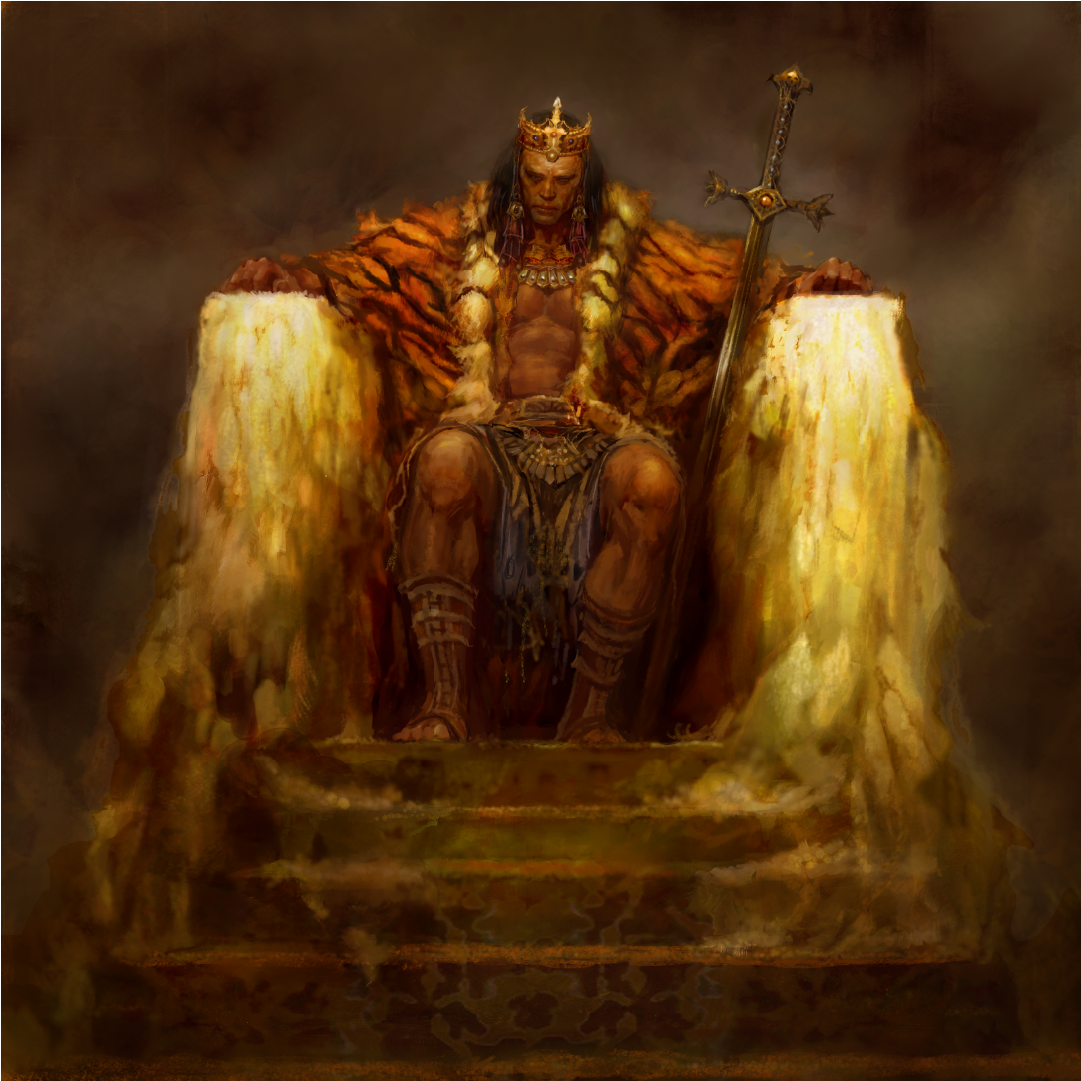
His fame in the fighting pits eventually won him his freedom for a second time, after which he joined the Royal Valusian army as a mercenary. He rose fast and, by his early thirties, he had led a coup against the despotic King Borna and seized the Topaz Throne of Valusia, the most powerful of the Seven Empires of the Thurian Age.
This is the version of Atlantis that Howard gave us. There are no benevolent councils here, no technological marvels, no divine wisdom passed down through generations. There is a man who clawed his way to greatness only to end up running a kingdom that hates him for it.
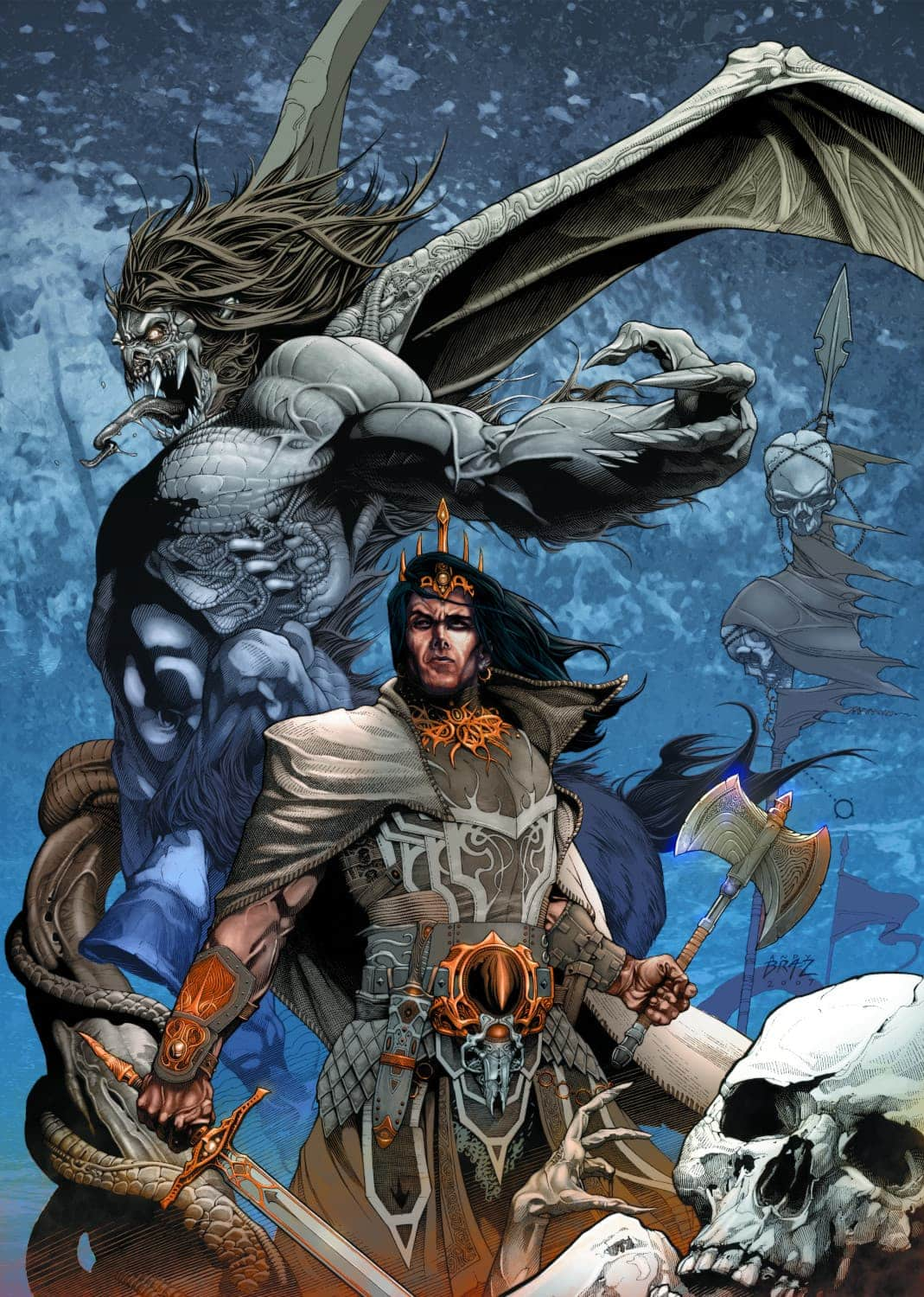
Valusia was ancient, and its aristocracy had millennia of tradition behind them and zero interest in being ruled by a barbarian they considered a feral usurper. Kull, for his part, found the court’s obsessive devotion to old laws suffocating. He’d fought his way to the most powerful seat in the world, and now it felt like a cage. In his isolation, the only genuine ally he could find was Brule the Spear-Slayer, a Pictish warrior whose people were the hereditary enemies of Kull’s own but who understood what it meant to be a pragmatic outsider surrounded by civilized schemers.
That tension broke open in the story “By This Axe I Rule!” A young Valusian noble named Seno val Dor wanted to marry a slave girl named Ala. Kull sympathized with the young noble’s plight, as ancient Valusian law forbade such a wedding. Thus, the king of the known world could do nothing about it.
That same night, a conspiracy of nobles ambushed Kull in his bedchamber. Nearly two dozen armed men assaulted him. In response, he grabbed a battle-axe off the wall, put his back to the stone, and fought. Seno val Dor, having been warned of the plot by Ala, burst in with armed retainers and killed the lead assassin. Kull survived only barely.
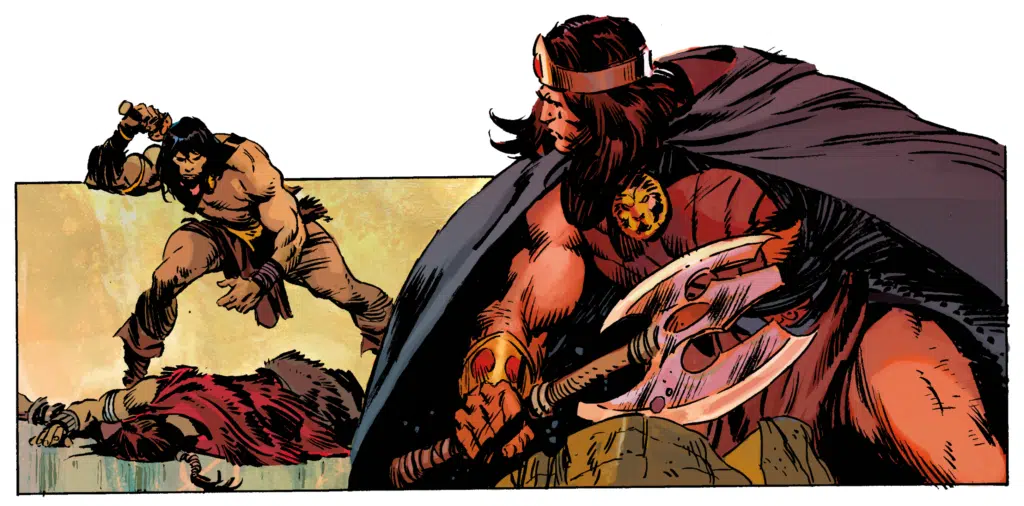
Bleeding, exhausted, and furious, he ordered the sacred stone tablets of Valusian law brought before him. He told the horrified court he was done being a slave to their traditions. He threw aside the royal scepter, raised the axe, and brought it down on the tablets, smashing them to pieces and reciting “By this axe I rule!”
In the wake of this, Seno and Ala got their wedding.
Serpent-Men, Shadow Kings, and the Enemies You Can’t See
Every popular version of Atlantis gives its king a problem that fits the genre. Aquaman has geopolitical rivals. Númenor’s kings had mortality. Plato’s rulers had hubris. Howard decided that his king of Atlantis would have something far stranger: the growing suspicion that nothing is real.
Within Kull’s stories, Howard buried the genuinely unsettling concept of the Serpent Men: an ancient race of shapeshifters with humanoid bodies and reptilian heads who can perfectly mimic the appearance, voice, and mannerisms of any person. Waging war is too risky a business for them. So they settle for subterfuge. They kill a politician, a priest, a military commander, and then they become that person. They are the unseen priesthood of the Great Serpent God, and they have been running the machinery of human civilization from the inside for longer than anyone knows.
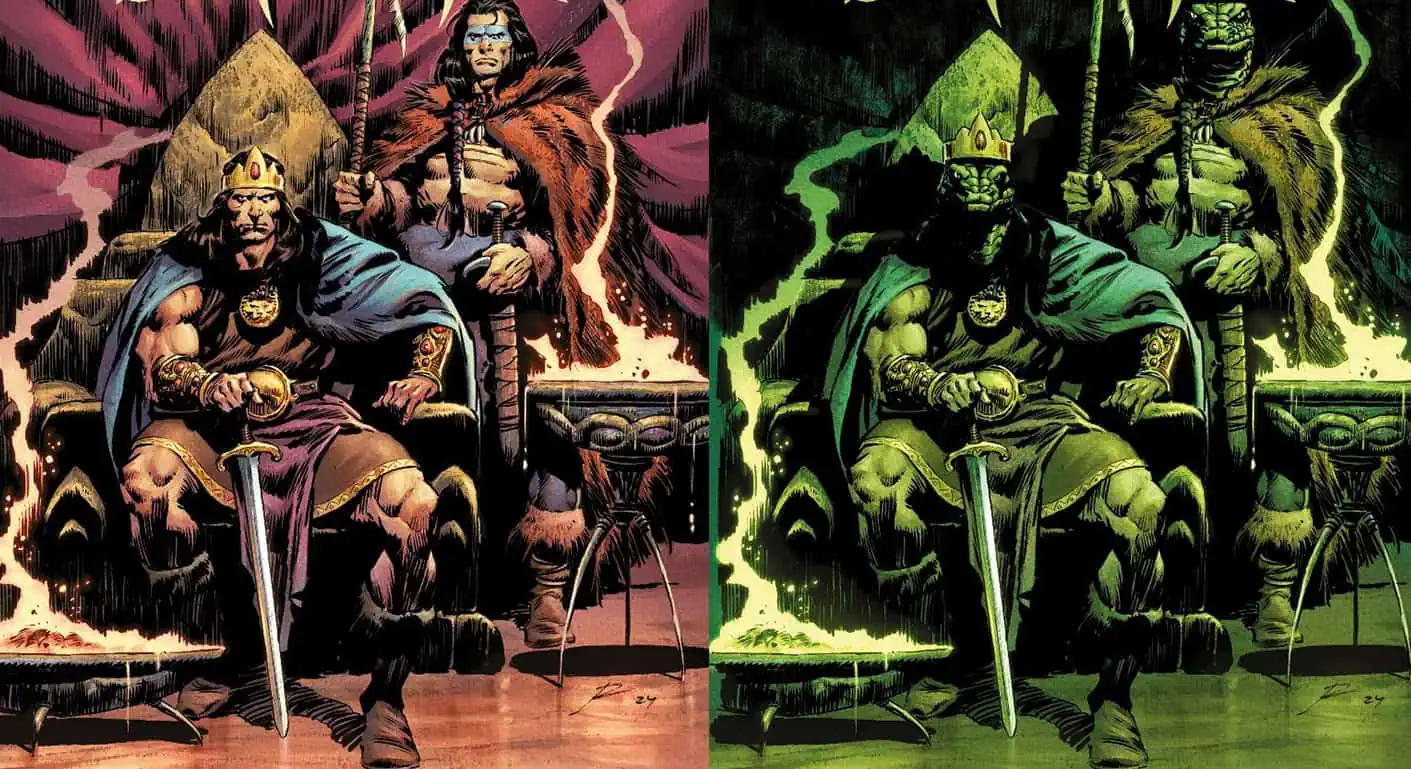
The only way to catch one is a phrase – Ka nama kaa lajerama – which their jaws can’t physically allow them to say. If they try, the pain forces them to drop the disguise.
In “The Shadow Kingdom,” Brule the Spear-Slayer sneaks into the palace through forgotten passages and shows Kull the bodies of his personal guards, hidden in the dark. The men standing watch outside his chamber at that moment are Serpent Men wearing dead men’s faces. But the conspiracy goes deeper still.
Kull then discovers that Tu, his chief councilor and one of his most trusted advisors, is one of them after killing him and watching the human face melt away into scales. Then he walks into his own council chamber and finds a perfect copy of himself sitting on the Topaz Throne, addressing the court as if nothing is wrong. Kull has to kill his own double and reveal the reptilian corpse to a room full of stunned officials before swearing a blood oath to destroy the entire serpent race.
The presence of such ghastly, conniving beasts would already be the most visceral threat in any hero’s world, but Howard pushed further. Kull, being a deeply introspective character, begins to be taunted by an ever-present question that no amount of axe-work can seem to answer: What am I?
In “The Mirrors of Tuzun Thune,” Kull attempts to find something resembling an answer. He seeks out a wizard who shows him mystical mirrors that reflect alternate dimensions. The wizard pulls Kull into a hypnotic conversation about the nature of existence and the mirrors begin to drain his sense of self. The boundary between what’s real and what’s reflection starts dissolving. Brule saves him through brute physical intervention, but Kull returns to his throne permanently changed.
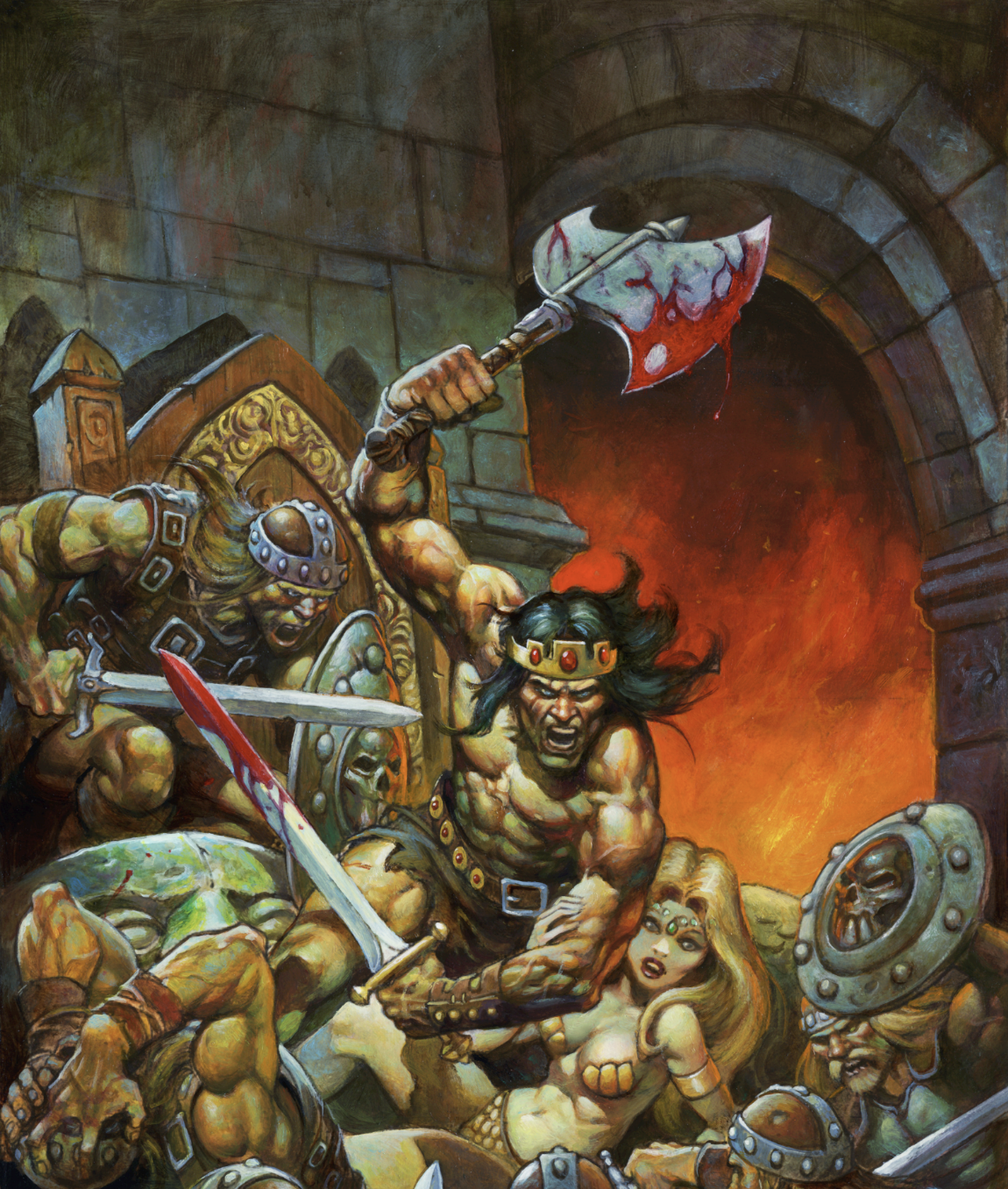
Howard writes that he is “less sure of reality” than he had ever been. In “The Striking of the Gong,” Kull even goes on to live an entire metaphysical journey via a conversation with a spirit in a void outside time in the fraction of a second it takes for a gong to ring in the physical world.
This is what makes Howard’s Atlantis so fundamentally different from every other version. The danger in Kull’s reign is the fragility of the mind sitting on the throne. Howard turned the mythological kingdom into something that operates more like a political horror story with existential underpinnings, and that’s a version of Atlantis that nobody else had ever really attempted.
The True Setting of the Kingdom of Atlantis
For most people drawn to the Atlantis myth, the setting is the appeal. The lost civilization, the world before the flood, the sense of deep time. Howard understood that instinct, and he built a world around it that holds up to serious scrutiny.
He called it the Thurian Age, a fictional epoch set around 20,000 BC where decadent empires coexisted with stone-age technology and real, dangerous magic. The Thurian world is populated by civilizations at vastly different stages of development occupying the same era. Valusia, the kingdom Kull rules, is the most powerful of the Seven Empires. It sits on a continent alongside other empires, city-states, and tribal territories, all of them jockeying for dominance in a world where sorcery is rare enough to be terrifying and common enough to be a genuine political weapon.
Atlantis itself, in Howard’s rendering, is an island-continent off the mainland and is home to fierce, independent tribes of hunters and warriors who have no interest in the sophistication of empires like Valusia. The Pictish Islands sit nearby, populated by another warrior culture with their own deep history. The tension between Atlanteans, Picts, and the mainland empires forms the geopolitical backdrop of nearly everything Kull experiences. This is a world that feels inhabited, contested, and ancient in a way that matters to the stories being told in it.
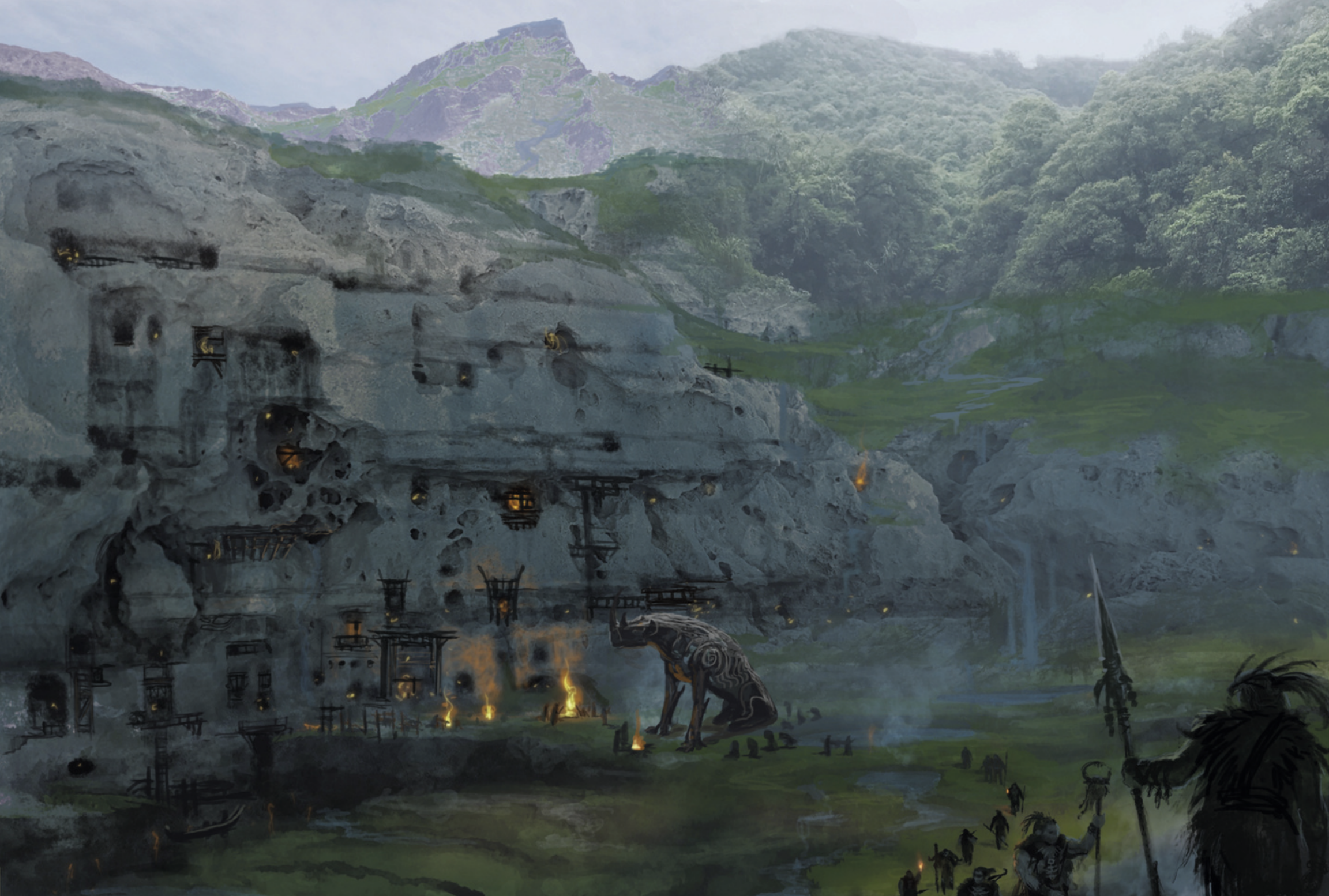
Howard connected the Thurian Age directly to his later, more famous creation, the Hyborian Age, through a catastrophic geological event he called the Cataclysm. This event sinks Atlantis and Lemuria beneath the ocean and violently reshapes the world’s geography. The surviving Atlanteans flee to the mainland but are reduced to a feral, primitive state by the sheer trauma of the destruction. Over millennia, they slowly re-evolve into the Cimmerians of Conan’s era. Kull’s people are Conan’s direct ancestors, which means the Thurian Age is itself the deep foundation underneath Howard’s entire fictional universe.
To create this, Howard drew on several sources that shared his interest in deep, pre-historical time. Helena Blavatsky’s The Secret Doctrine gave him the lost continents and pre-human races. Thomas Bulfinch’s mythology provided the legendary scaffolding. But it was Lewis Spence’s The Problem of Atlantis that most heavily shaped what Howard’s version of the sunken world actually looked and felt like. Spence, a Scottish folklorist, argued that Atlantis was real and that it was populated by a stone-age civilization of barbarians, not the enlightened utopia of popular imagination. Howard took that premise and ran with it. His Atlantis is Spence’s Atlantis made vivid: savage, tribal, and producing exiles tough enough to seize the thrones of more sophisticated empires.
Where to Start Reading About Atlantis
If you’ve never read Kull and don’t know where to dig in to this unique formulation of Atlantis, you’re in luck. Heroic Signatures is bringing Kull back to the page with Kull: The Heart of Piri’nach, part of the Heroic Legend eBook Series.
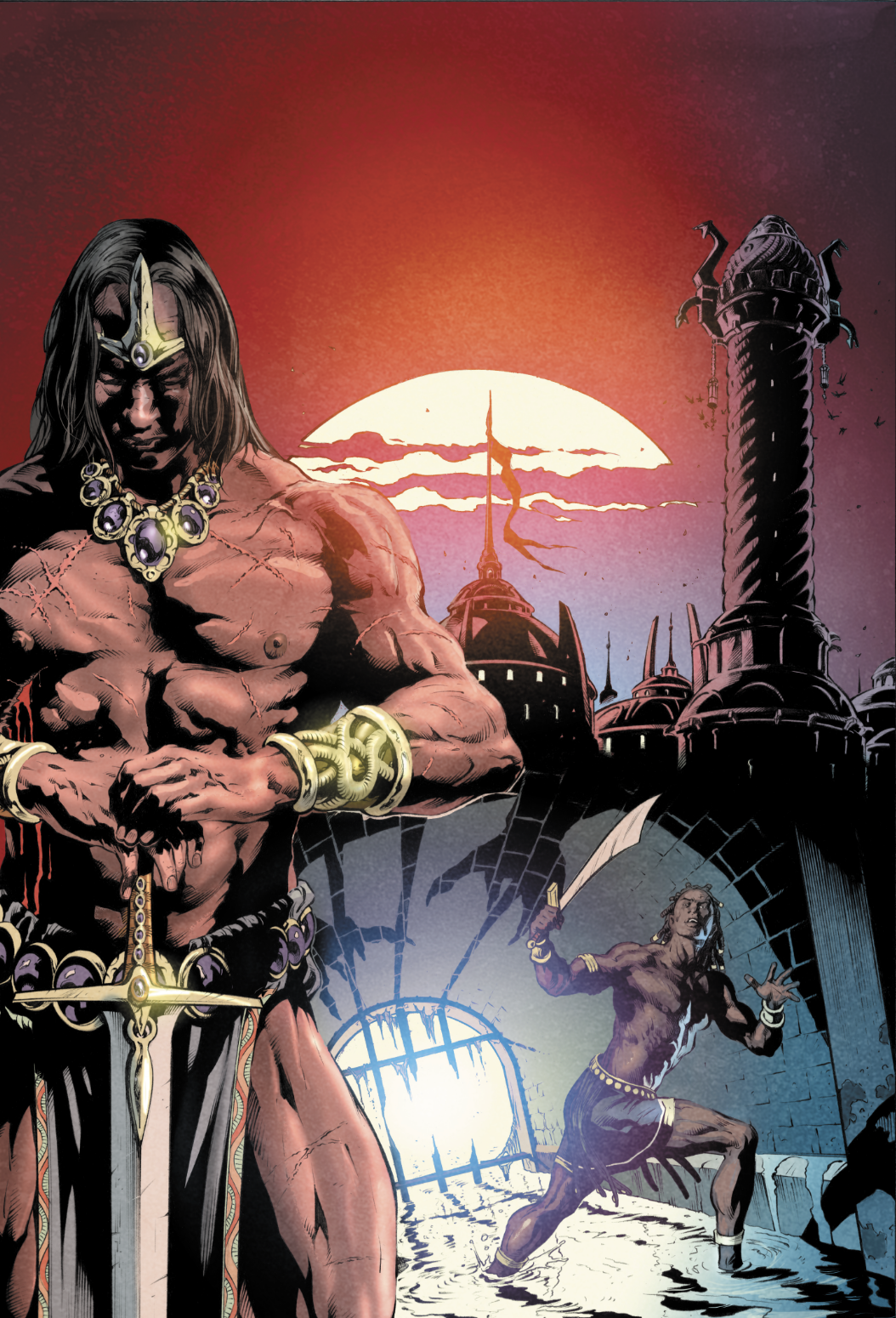
The story opens with Jolanta, a citizen of Atlantis, entreating her king for help. Her sister Nola has been ensorcelled by a dread sorcerer and forced into leaving with the cult of Piri’nach in a fugue state. Jolanta doesn’t know where Nola has been taken. All she has is a name: Thulsa Doom.
If you’ve been reading about the king of Atlantis and wondering what it actually feels like to follow him into the dark, reading it when it comes out on June 30th, 2026 is a good place to step in.